
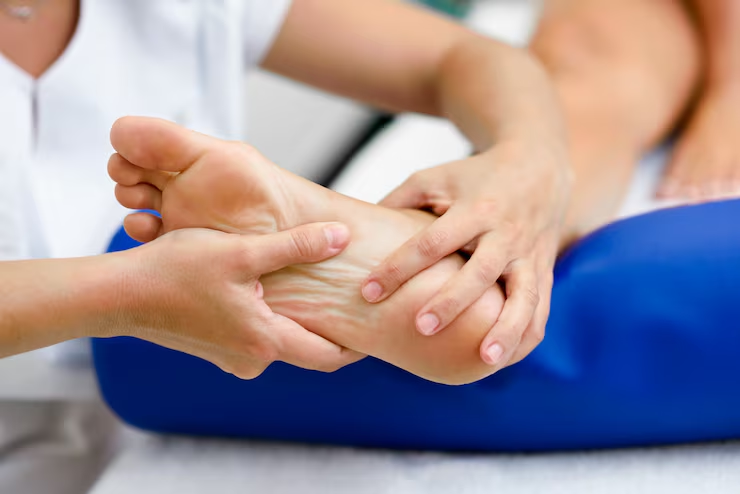

Foot pain can make even short walks feel exhausting. For beginners working with a plantar fasciitis specialist, the first step is often restoring strength in the small muscles that keep the foot stable. A well-designed plan from an experienced plantar fasciitis doctor focuses on easy, targeted drills that build a foundation without aggravating symptoms. These simple movements, done consistently, can help the foot recover its natural stability and make daily steps less stressful.
Toe Curling Movements to Activate Intrinsic Foot Muscles
Toe curling exercises are often one of the first drills a plantar fasciitis specialist introduces. They work the small, often overlooked muscles inside the foot that help maintain arch height. Sitting in a chair, the individual places a towel on the floor, then curls the toes to scrunch and pull the towel toward them. This repeated action strengthens the deep muscle layers that support the plantar fascia.
A plantar fasciitis doctor may suggest variations like adding light resistance by placing a small weight at the towel’s end. This builds endurance in the intrinsic muscles without heavy strain. Over time, these movements can improve foot alignment and reduce the daily tension placed on the fascia with walking or standing.
Marble Pickups to Improve Grip Strength in the Toes
Marble pickups are a simple but effective drill that challenges toe dexterity. A small bowl of marbles is placed on the floor, and the person uses their toes to lift and transfer them into another container. This encourages coordinated movement and develops fine motor strength in the forefoot.
For plantar fasciitis patients, this exercise helps improve the gripping action of the toes, which can reduce strain during push-off when walking. A plantar fasciitis specialist often notes that improved toe strength also supports better posture and balance, especially on uneven ground. It’s a low-impact activity that can be done daily at home.
Heel Raises Focusing on Slow Controlled Motion
Heel raises strengthen the calf muscles and the Achilles tendon while providing indirect support to the plantar fascia. Standing with feet hip-width apart, the person slowly lifts their heels until standing on the balls of the feet, then lowers them back down just as slowly. This slow tempo forces the muscles to stay engaged through the full range of motion.
A plantar fasciitis doctor may recommend doing this on a step for a deeper stretch at the bottom and more challenge on the way up. Controlled heel raises improve blood flow to the fascia and can help reduce morning stiffness over time. The key is steady, smooth movement—never bouncing or rushing the lift.
Short Foot Exercise to Train Targeted Arch Support
The short foot exercise is designed to directly train the arch-supporting muscles without curling the toes. While standing or sitting, the person draws the ball of the foot toward the heel, shortening the foot’s length slightly. The toes stay relaxed and flat on the floor while the arch lifts.
Plantar fasciitis specialists often favor this drill because it teaches the foot to engage its natural stabilizers during walking and standing. When done regularly, it improves midfoot control and reduces the repetitive strain that contributes to heel pain. It’s subtle, but over time, it helps the foot hold its shape under body weight.
Big Toe Presses to Enhance Push-off Stability
The big toe plays a huge role in propelling the body forward during walking. Big toe presses target this function directly by training the flexor muscles under the hallux. To do the drill, the person presses the big toe into the floor while keeping the rest of the foot stable, holding for a few seconds before relaxing.
A plantar fasciitis doctor may integrate this exercise early for patients who have trouble with gait mechanics. Strengthening the big toe’s push-off power can take pressure off the heel and improve walking efficiency. Over time, this leads to smoother, less painful strides and better overall foot mechanics.
Side-to-side Foot Rolls for Improved Lateral Control
Side-to-side foot rolls develop the foot’s ability to handle shifts in weight without straining the fascia. Using a small ball or cylindrical object, the person rolls the foot gently from the outer edge to the inner edge. This movement wakes up stabilizing muscles along the sides of the foot.
For plantar fasciitis patients, a plantar fasciitis specialist may use this to encourage a more balanced weight distribution. It helps prevent overloading one part of the arch, which can trigger flare-ups. These gentle rolls also loosen tight tissue and promote better joint mobility in the midfoot.
Gentle Calf Raises to Support Plantar Fascia Function
Gentle calf raises are a lighter version of the standard heel raise, perfect for beginners or those with more sensitive symptoms. The movement involves lifting the heels just slightly off the floor and lowering them down without locking the knees. This reduces strain while still activating the calf-plantar fascia connection.
A plantar fasciitis doctor may recommend this as a warm-up before other drills. The gentle motion promotes circulation, warms up the muscles, and helps the fascia adapt to more challenging activities later on. Done regularly, it builds a base of strength and endurance without irritating the injury.