
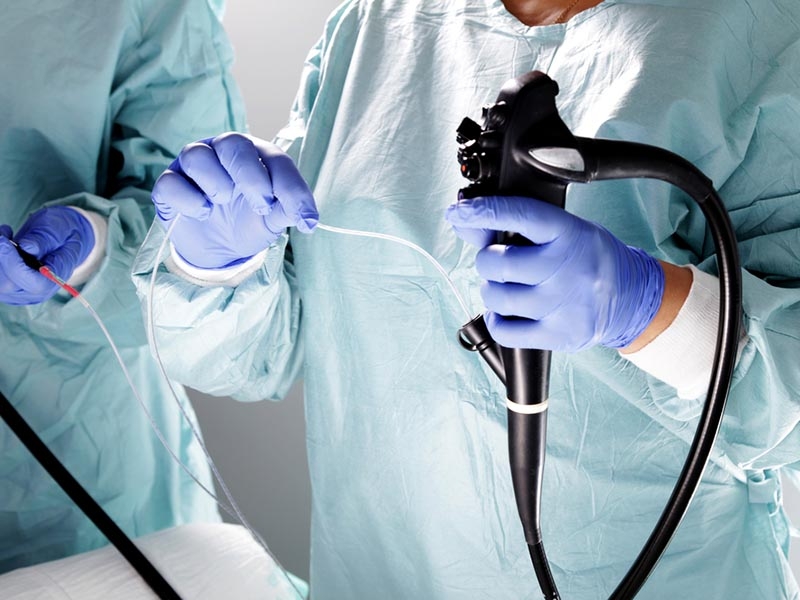

Digestive discomfort can range from mild and occasional to severe and persistent. Many people ignore early warning signs, attributing symptoms like bloating, acid reflux, or abdominal pain to poor eating habits or stress. However, these seemingly minor symptoms could be indicators of underlying gastrointestinal (GI) conditions that need prompt medical attention. Endoscopy, a minimally invasive diagnostic procedure, plays a crucial role in detecting a wide range of GI issues at an early stage, often before they develop into serious problems.
At Clinic Consultation, expert gastroenterologists use advanced endoscopic techniques to evaluate and diagnose digestive health concerns. Scheduling an endoscopy can be a proactive step towards protecting your long-term health. Let’s take a closer look at the top seven gastrointestinal issues that endoscopy can help detect early.
1. Gastritis: Inflammation You Shouldn’t Ignore
Gastritis refers to inflammation of the stomach lining, often caused by factors like Helicobacter pylori infection, prolonged use of NSAIDs, excessive alcohol consumption, or stress. Symptoms can include burning stomach pain, nausea, bloating, and loss of appetite. If left untreated, chronic gastritis can lead to ulcers or increase the risk of stomach cancer.
Endoscopy is the gold standard for diagnosing gastritis. During the procedure, the gastroenterologist at Clinic Consultation can visually inspect the stomach lining for signs of redness, swelling, or erosion. Biopsy samples can also be taken to check for H. pylori infection or to assess the severity of the inflammation. Early diagnosis allows for effective treatment, reducing discomfort and preventing complications.
2. Peptic Ulcers: Catching Sores Before They Worsen
Peptic ulcers are open sores that develop on the inner lining of the stomach or the upper part of the small intestine. They’re often caused by H. pylori infection or long-term use of certain painkillers. Common symptoms include burning stomach pain, bloating, heartburn, and even vomiting blood in severe cases.
Through endoscopy, doctors at Clinic Consultation can directly visualize ulcers, determine their size and location, and take tissue samples if necessary. Early detection of peptic ulcers is critical for preventing severe complications like bleeding, perforation, or blockage of the digestive tract. Treatment may include medications to reduce stomach acid, antibiotics, and lifestyle adjustments to promote healing.
3. Gastroesophageal Reflux Disease (GERD): More Than Just Heartburn
GERD occurs when stomach acid frequently flows back into the esophagus, causing irritation and symptoms like heartburn, chest pain, and regurgitation. Chronic GERD not only affects daily comfort but can also lead to serious complications like esophagitis, strictures, or Barrett’s esophagus—a precancerous condition.
An upper endoscopy allows gastroenterologists at Clinic Consultation to assess the extent of esophageal damage caused by GERD. Identifying inflammation, ulcers, or tissue changes early can help tailor an effective treatment plan that includes medication, dietary changes, and in some cases, surgical intervention. Don’t ignore persistent heartburn—early diagnosis can prevent long-term damage.
4. Esophageal Varices: Detecting Hidden Bleeding Risks
Esophageal varices are swollen veins in the lower part of the esophagus, often resulting from liver disease and portal hypertension. These varices can rupture suddenly, leading to life-threatening internal bleeding. Unfortunately, esophageal varices typically do not produce symptoms until they bleed.
Endoscopy is essential for early detection, especially in patients with known liver conditions. At Clinic Consultation, doctors perform routine surveillance endoscopies for at-risk patients, identifying varices before they rupture. If varices are found, preventive treatments like endoscopic band ligation or medication can significantly reduce the risk of bleeding.
5. Celiac Disease: Diagnosing Gluten Sensitivity Accurately
Celiac disease is an autoimmune disorder where ingestion of gluten leads to damage in the small intestine. Symptoms can vary widely and include diarrhea, weight loss, bloating, and fatigue. Many people live with undiagnosed celiac disease for years, suffering from vague digestive complaints and nutrient deficiencies.
Endoscopy with a biopsy of the small intestine is the most accurate method for diagnosing celiac disease. The specialists at Clinic Consultation can assess the intestinal lining for characteristic changes like villous atrophy. Early diagnosis allows patients to adopt a gluten-free diet and prevent long-term complications like osteoporosis or infertility.
6. Stomach Cancer: Early Detection Saves Lives
Stomach (gastric) cancer often develops silently, with symptoms appearing only in advanced stages. Early signs may include persistent indigestion, unintentional weight loss, nausea, or a feeling of fullness after eating small amounts. Due to the lack of obvious early symptoms, routine screenings are critical for individuals at higher risk.
Endoscopy plays a pivotal role in diagnosing stomach cancer at its earliest stages. During the procedure, the gastroenterologist at Clinic Consultation can take biopsy samples from suspicious areas for pathological examination. Early detection dramatically improves treatment success rates, making regular endoscopic screenings vital for high-risk individuals.
7. Inflammatory Bowel Disease (IBD): Monitoring Chronic Inflammation
Inflammatory bowel diseases, including Crohn’s disease and ulcerative colitis, cause chronic inflammation in the digestive tract. Symptoms often include abdominal pain, diarrhea, weight loss, and fatigue. Left untreated, IBD can lead to complications like strictures, fistulas, or even colon cancer.
Endoscopy allows for a direct view of the gastrointestinal tract, helping the team at Clinic Consultation assess the severity and extent of inflammation. Through biopsies, doctors can confirm the diagnosis and monitor disease progression. Early and accurate diagnosis ensures timely treatment, reducing flare-ups and long-term damage.
Conclusion: Don’t Wait for Symptoms to Get Worse—Schedule Your Endoscopy Today
Ignoring digestive symptoms could mean overlooking serious gastrointestinal conditions that are easier to treat when detected early. From gastritis and ulcers to more severe concerns like stomach cancer or IBD, endoscopy is a powerful diagnostic tool that helps doctors catch problems before they escalate.
If you’re experiencing ongoing digestive discomfort or fall into a high-risk category for GI diseases, don’t delay your care. The expert gastroenterology team at Clinic Consultation is here to guide you through the diagnostic process with professionalism and compassion. Visit Clinic Consultation today to schedule your endoscopy and take control of your digestive health.