
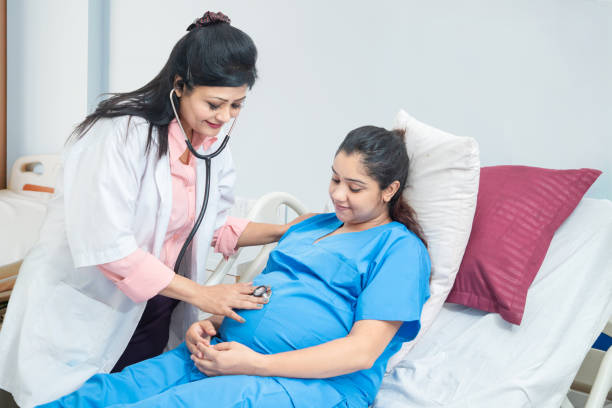

Pregnancy is one of the maximum lifestyle-changing stories for a woman and it does increase a variety of changes inside the bodily, intellectual, and psychological make-up of a woman. Thus, women’s speciality hospital and women and child care centers have immensely helped in protecting maternal as well as fetal health during this journey. The medical facilities committed to this need to make all-encompassing plans that would ensure great treatment of expectant mums by considering the different demands. If the facilities adopt evidence-based procedures, develop humane patient connections, and use the latest technology, such facilities can improve the quality of prenatal care and increase the results for the patients as well as babies.
Establishing a Patient-Centered Workplace
Well-planned waiting spaces can make appointments for low-stress factors with cozy seating, serene aesthetics, and privacy factors. Just as important is making the facility accessible to women with various mobility needs and the definition of wayfinding systems.
Institutional practices based on patient-centeredness that include the physical infrastructure and respect for women’s autonomy and preferences saturate this. Birth plan options that respect cultural and personal preferences, open information about processes, and flexible visiting hours that accommodate working partners all help create an atmosphere where women feel their needs are given priority. To show that they are dedicated to ongoing improvement based on the opinions of the people they serve, hospitals should also include feedback systems that let patients share their experiences and recommendations.
Regular case conferences, strong communication mechanisms, and shared electronic health records that allow for easy information sharing are all necessary for efficient team coordination. Facilities should give interpersonal skills, cultural awareness, compassion, and clinical competence priority when employing experts. To make sure that every team member stays up to date with new research and changing best practices, chances for continuous professional development should be offered. A supportive work atmosphere can be created and high standards of care can be maintained by implementing mentorship programs for incoming employees.
Putting in Place Complete Prenatal Care Procedures
Quality pregnancy management is based on structured prenatal care protocols, which allow for early risk factor detection and prompt interventions. Evidence-based screening programs that incorporate regular evaluations of maternal health indicators, tracking of fetal growth and development, and genetic screening possibilities should be implemented by women & child care hospitals. Comprehensiveness and patient burden considerations must be balanced in these procedures to prevent needless interventions and guarantee that no important assessments are missed.
Prenatal protocols should include preventive interventions such dietary supplementation advice, vaccination recommendations, and lifestyle counseling based on the specific needs of each patient. Regular evaluation of modifiable risk factors, such as substance use, alcohol consumption, and smoking, should be carried out with tact and with the right kind of support systems available. Furthermore, given their significant influence on pregnancy outcomes, tests for socioeconomic determinants of health, mental health issues, and domestic violence should be incorporated into standard care pathways.
Offering Tailored Treatment for High-Risk Pregnancies
A characteristic that sets excellent women’s specialty hospitals apart is their ability to recognize and treat high-risk pregnancies with specific knowledge. Institutions ought to establish tiered care systems in which maternal-fetal medicine professionals provide improved monitoring and interventions for women with complex illnesses, such as gestational diabetes, preeclampsia, multiple gestations, or pre-existing medical disorders. This calls for the purchase of cutting-edge diagnostic tools such as fetal echocardiography, high-resolution ultrasound, and genetic testing capabilities.
High-risk pregnancy management procedures should guarantee that women receive the best possible care for their unique situation by providing clear channels for consultation, referral, and transfer as necessary. Specialized educational programs ought to give these patients the information and abilities they need to take an active role in their care. Connecting women with similar issues through support groups can offer helpful practical techniques and emotional support, enhancing clinical care with peer-based resources.
The emphasis on Preparation and Education for Childbirth
A key element of complete pregnancy care is thorough practice for exertions, transport, and early parenthood. A good hospital for pregnancy that specialises in women should provide more than a few birthing training packages that don’t forget various schedules, mastering patterns, and birth philosophy. Evidence-based total facts concerning physiological birth strategies, pain control strategies, normal interventions, and coping mechanisms for exertion difficulties have to be blanketed in those programs.
Offerings for education must cross past making ready for childbirth to encompass subjects like postpartum restoration, new child care, breastfeeding fundamentals, and emotional transition to parenthood. To recognize their important function inside the beginning enjoy and the postpartum segment, companions and other guide people ought to be advocated to contribute. Print materials, videos, and online resources can be used to decorate in-person education and preserve statistics to be had in between classes. Women with unique needs, such as those preparing for cesarean deliveries or handling scientific troubles, ought to have admission to tailor-made guidance sessions that cater to their precise state of affairs.
Offering All-Inclusive Postpartum Care
Therefore, postpartum care is equally important as pregnancy and delivery care since it is a phase that has a great deal of negative impact on both the mother and baby’s health. Organized postpartum procedures need to be established in women’s specialist hospitals for the women to be cared for through comprehensive physical examination, lactation assistance, tests for mental well-being, instruction on warning signals indicating that medical intervention is required, and above all, follow-up on 14 days after delivery. However, when complications such as excessive bleeding, infection, and postpartum depression are identified early, timely actions can be taken to avert the major effects of pregnancy.
Conclusion
When staffing and plan of care are finalized, every detail needs to be planned regarding: scheduled postpartum visits, resource contacts, and clear follow-up instructions for patient and family. For this reason, breastfeeding support should be considered special and the patient should have lactation experts at hand as long as they are in the hospital, then outpatient services after the discharge. It might be helpful to establish instructional seminars and support groups for new mothers and help with common issues such as sleep loss, emotional adjustment, and questions about newborn care. They should provide supplementary support services that help meet the needs of individual women in situations that are unique such as sudden admission to the NICU and difficult deliveries, when this time is so fragile.