
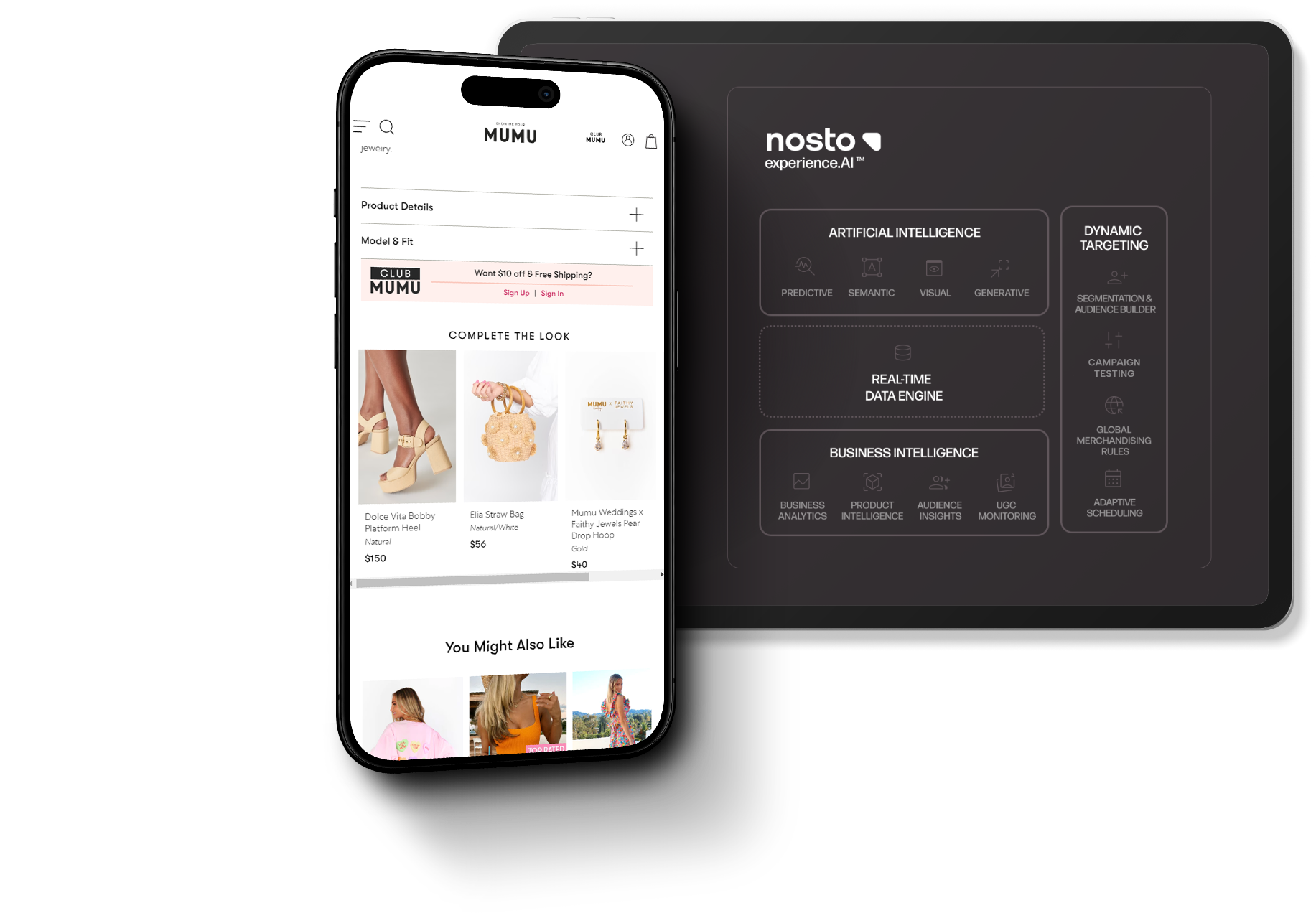

E-commerce personalization helps bridge the gap between what businesses offer and what customers want. It delivers relevant experiences that match individual preferences and behaviors. This results in measurable improvements to conversion rates and customer lifetime value.
The Importance of Personalization
The shift toward personalized experiences reflects a fundamental change in consumer expectations. Research indicates that 80% of consumers are more likely to purchase from brands that provide personalized experiences. Businesses that implement comprehensive personalization strategies typically see revenue increases of 10-15%.
Effective personalization is built on three pillars: data collection, analysis, and implementation. Organizations must establish systems for gathering customer information across multiple channels while ensuring data quality and compliance with privacy regulations.
Data Strategy: The Foundation of Personalization
Successful personalization initiatives begin with a comprehensive data strategy that includes both explicit and implicit customer information. Explicit data is information customers willingly provide through surveys, account creation, and feedback. Implicit data comes from behavioral patterns, Browse history, purchase frequency, and interaction timing.
The most effective approaches combine multiple data sources to create comprehensive customer profiles:
- Transactional data reveals purchasing patterns and preferences.
- Behavioral analytics track website navigation and engagement metrics.
- Demographic information provides context for customer segments.
- Seasonal patterns indicate timing preferences and cyclical behaviors.
- Cross device activity maintains continuity across platforms.
Moving Beyond Demographics
Traditional demographic segmentation offers limited value. Advanced segmentation strategies focus on behavioral patterns, purchase intent, and customer lifecycle stages to create more meaningful customer groups.
Behavioral segmentation identifies customers based on their interactions with products and content. This approach reveals high intent shoppers, price sensitive buyers, and brand loyalists through their digital footprints. Purchase intent segmentation analyzes Browse patterns, search queries, and cart behaviors to predict future actions and optimize timing for personalized interventions.
Lifecycle based segmentation recognizes that customer needs evolve throughout their relationship with a brand. New customers require different messaging and offers compared to repeat purchasers or long term loyal customers.
Technology for Scalable Personalization
Implementing personalization at scale requires sophisticated technology infrastructure that can process large volumes of data in real time. Modern personalization platforms integrate with existing e-commerce systems to create smooth data flows and automated decision making.
Machine learning algorithms power the most effective personalization engines by continuously analyzing customer behavior patterns and predicting future actions. These systems improve their accuracy over time, creating increasingly relevant experiences that drive engagement and conversion rates.
Measuring Personalization Success
Effective personalization strategies require comprehensive measurement frameworks that track immediate performance metrics and long term customer value indicators. Key performance indicators should include conversion rate improvements, average order value increases, and customer lifetime value enhancement.
Advanced analytics reveal which personalization tactics generate the highest return on investment. Regular testing ensures that personalization efforts continue to deliver value as customer preferences and market conditions evolve.
Implementation Roadmap
Organizations beginning their personalization journey should adopt a phased approach. Initial efforts might focus on basic product recommendations and email personalization before expanding to real time website customization and advanced predictive modeling.
Success requires collaboration between marketing, technology, and customer service teams to ensure consistent implementation across all customer touchpoints. Regular training helps teams maximize the potential of personalization technologies while maintaining focus on creating customer value.