
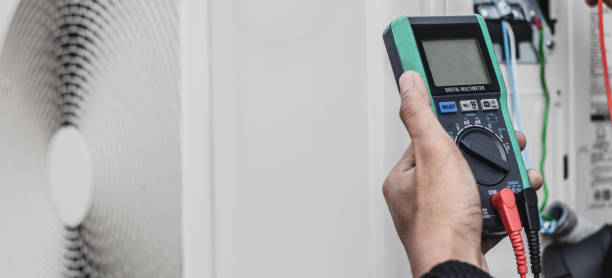

You vacuum regularly, light your favorite scented candles, and keep the windows closed to preserve energy—sounds like a clean and cozy home, right? Not necessarily. Many everyday habits that seem harmless can actually degrade the quality of the air you breathe indoors. This is why Indoor Air Quality Testing is essential for understanding what’s really in your home environment.
Everyday Sources of Indoor Air Pollution
Believe it or not, some of the most common home routines can contribute to poor air quality. Aerosol sprays, synthetic cleaning products, scented candles, and even cooking methods release volatile organic compounds (VOCs), carbon monoxide, and fine particulates into the air. Over time, these pollutants accumulate, especially in homes with poor ventilation.
Indoor Air Quality Testingcan reveal the true impact of these daily actions, helping you adjust your habits for a healthier living space.
The Role of Ventilation and HVAC Systems
Many homes rely heavily on heating and cooling systems to regulate temperature, but neglect regular HVAC maintenance. Dirty filters and ductwork become breeding grounds for dust mites, bacteria, and mold spores. Poor airflow also traps humidity and pollutants indoors, especially in newer, energy-efficient homes designed to be airtight.
Regular Indoor Air Quality Testingidentifies these hidden threats, ensuring your HVAC system isn’t quietly polluting your air.
How Lifestyle Choices Influence Indoor Air
From pet ownership to home gyms, our lifestyles affect indoor air in different ways:
- Petsshed dander and hair that can circulate through the air.
- Smoking indoors, even occasionally, drastically increases toxic particle levels.
- Home workoutsin enclosed spaces increase CO₂ levels and airborne sweat particles.
- Crafting or paintingreleases chemical fumes and VOCs.
Testing helps uncover how these lifestyle elements are affecting your home environment—and more importantly, what you can do about it.
Protecting Vulnerable Family Members
Children, seniors, and individuals with respiratory conditions like asthma or allergies are more susceptible to poor indoor air. Since symptoms like fatigue, coughing, and sinus irritation often go unexplained, Indoor Air Quality Testingplays a critical role in detecting unseen health risks before they become serious issues.
Making Smarter Choices for Healthier Air
Once you’ve had your air tested, the results can guide meaningful changes. Simple adjustments like switching to natural cleaning products, investing in HEPA filters, using air purifiers, or opening windows more often can dramatically improve air quality.
The best part? You’ll be creating a safer, healthier space without giving up comfort or convenience.
Conclusion
You might not realize it, but your daily routines shape the air you breathe. Indoor Air Quality Testing gives you the insights you need to identify hidden dangers and create a cleaner, healthier home. Instead of guessing, let science show you what’s really floating in your air—and how to fix it.