
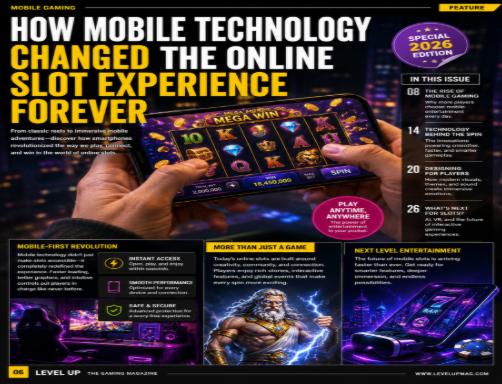

The Shift Toward Mobile Entertainment
The rapid growth of mobile technology has completely transformed the way people enjoy digital entertainment today. From streaming services to interactive gaming platforms, users now expect faster access, smoother performance, and more flexible experiences directly from their smartphones.
Because of this shift, many users started exploring modern slot that offer mobile-friendly access, immersive graphics, and interactive entertainment features designed specifically for today’s digital lifestyle.
A few years ago, most online gaming experiences still depended heavily on desktop computers. However, smartphones gradually changed user behavior across the entire entertainment industry. People no longer wanted complicated systems or limited accessibility. Instead, they preferred entertainment that worked instantly from anywhere.
As mobile technology evolved, gaming developers adapted quickly. They redesigned platforms with responsive interfaces, optimized controls, and faster navigation systems to improve user comfort on smaller screens.
Consequently, online gaming became more accessible than ever before.
Why Mobile Technology Changed Online Gaming
The rise of smartphones created entirely new expectations for entertainment platforms. Users no longer want slow loading pages, outdated layouts, or complicated navigation systems. Instead, they expect seamless experiences that feel fast, intuitive, and visually engaging.
Modern mobile technology answered those expectations successfully.
Today’s gaming platforms automatically adjust to different screen sizes, allowing users to enjoy smooth performance across smartphones, tablets, and laptops. At the same time, mobile processors became significantly more powerful over the years.
Because of these improvements, developers can now deliver cinematic animations, HD visuals, and highly interactive gameplay without reducing performance quality.
Moreover, faster internet connections also accelerated the growth of mobile gaming worldwide. Stronger mobile networks and stable WiFi access allow users to enjoy immersive digital entertainment almost anywhere.
As a result, mobile gaming continues expanding rapidly every year.
The Rise of Personalized Gaming Experiences
Personalization has become one of the most important features in modern gaming platforms. Artificial intelligence systems can now analyze user behavior and recommend games based on individual preferences and activity patterns.
Because of this innovation, users spend less time searching for content and more time enjoying entertainment that matches their interests.
For example, players who enjoy fantasy-inspired visuals may receive recommendations featuring mythology themes, adventure concepts, or futuristic environments. Meanwhile, users who prefer simpler gameplay often discover lighter and more casual entertainment options.
This personalized approach creates a more comfortable and engaging user experience overall.
Additionally, many platforms now include demo features that allow users to explore gameplay mechanics before fully accessing the main experience. Consequently, beginners often feel more relaxed while learning how modern gaming systems work.
Visual Innovation Changed User Expectations
Visual presentation now plays a massive role in the success of modern gaming platforms. Older online games often relied on repetitive layouts and limited animations. However, today’s mobile gaming experiences look far more advanced and immersive.
Developers now use HD graphics, cinematic effects, smooth transitions, and detailed visual environments to improve overall engagement.
Some modern games even include storytelling elements inspired by movies, mythology, futuristic worlds, and adventure themes. Because of these creative improvements, users now expect entertainment experiences that feel dynamic instead of repetitive.
Furthermore, modern gaming interfaces resemble premium mobile applications rather than outdated browser-based systems. Clean navigation, responsive controls, and optimized layouts significantly improve user comfort across multiple devices.
This visual evolution continues shaping the future of digital entertainment.
Cloud Gaming and Faster Performance
Cloud technology also transformed the mobile gaming industry significantly. In the past, users often needed large downloads and powerful hardware specifications to access high-quality games.
Today, cloud-based systems simplify the process entirely.
Many modern platforms allow users to launch games instantly without downloading massive files. Consequently, players enjoy faster loading times and smoother performance even on mid-range mobile devices.
At the same time, developers continue optimizing server systems and mobile frameworks to improve efficiency. Faster processing speeds and better platform stability now help create more reliable entertainment experiences.
Because of these improvements, users experience fewer interruptions and better overall performance during gameplay sessions.
Security Became a Major Priority
As digital entertainment expanded globally, security became increasingly important for both platforms and users. Modern gaming ecosystems now process millions of interactions daily, making account protection and transaction security essential priorities.
Developers continue investing heavily in encryption technology, secure payment systems, and account verification methods to improve platform safety.
Additionally, digital payment integration now allows users to complete transactions more efficiently than traditional systems. Faster processing times and improved protection measures help create more comfortable user experiences overall.
This balance between convenience and security continues increasing public confidence in modern mobile gaming platforms.
The Future of Mobile Gaming Looks More Interactive
The future of mobile gaming appears increasingly immersive as technology continues advancing rapidly. Artificial intelligence, augmented reality, and virtual reality already influence parts of the digital entertainment industry today.
Developers continue experimenting with more interactive systems designed to create deeper user engagement and realistic digital environments.
At the same time, players continue demanding faster performance, smarter recommendations, and more visually engaging experiences. Because of these expectations, innovation within the gaming industry continues moving forward aggressively.
Modern mobile gaming platforms no longer function as simple entertainment products. Instead, they now represent part of a larger digital ecosystem built around convenience, personalization, accessibility, and interactive technology.