
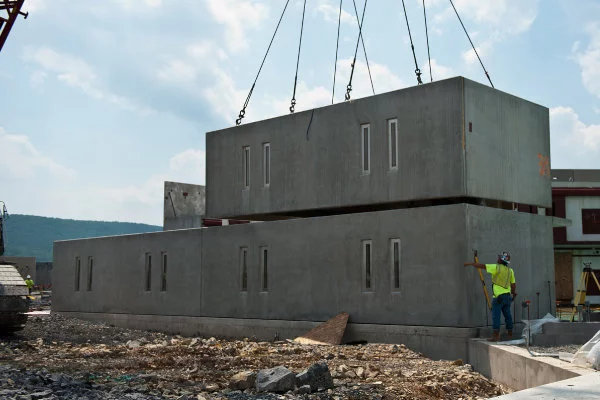

Facilities don’t always get a second chance to fix what should have been caught the first time. When you’re running a secure environment—whether it’s a correctional facility, courthouse holding area, or a modular jail—every component matters. And there are specific moments when reaching out to detention equipment contractors isn’t just smart, it’s necessary.
After a Security Breach or Attempted Escape
A breach, even if it doesn’t succeed, is a loud warning bell. It means the current system wasn’t enough—whether the fault was in the detention center doors, locking system, or general layout. This is the time to immediately bring in a security detention equipment contractor to conduct a full forensic review of how the breach happened and what can be done to prevent another one.
In many cases, these incidents expose weak points that weren’t obvious before. Maybe an outdated control panel wasn’t logging door activity accurately, or a section of the perimeter was not properly reinforced. Detention equipment contractors can assess everything—from locks and hinges to control panels and detection systems—to redesign or retrofit with stronger, tamper-proof components.
Upon Detection of Faulty or Worn-Out Locking Systems
Locks don’t last forever. High-traffic zones inside detention centers place a huge amount of wear on sliding doors, swing doors, and their control mechanisms. If you’re noticing even small delays or inconsistencies in how doors respond, it’s time to act.
Security detention equipment contractors are trained to identify hardware degradation before it becomes a full-scale failure. They can also update old systems with more durable, secure locking technologies—integrated with today’s smarter monitoring and alert tools. A jammed lock in a general housing unit or medical area isn’t just inconvenient—it’s a risk waiting to escalate.
When Regulatory Inspections Reveal Safety Non-compliance
Inspectors don’t leave wiggle room when it comes to detention safety. If a state or federal inspection flags you for non-compliance—whether in fire exit access, electronic controls, or tamper resistance—waiting to address it can halt operations or lead to hefty fines.
This is where a detention equipment contractor becomes a facility’s strongest ally. They understand the full codebook and can help you bring both old and modular jails up to standard quickly. From reconfiguring control rooms to ensuring all detention center doors meet code, a seasoned contractor can make compliance not just achievable, but efficient.
Following Malfunction of Surveillance or Alarm Systems
If your surveillance system goes down, your entire security operation becomes blind. Alarm failures and dead video feeds don’t just affect watchtower visibility—they impact real-time decision-making inside high-risk zones.
A detention equipment contractor knows how surveillance ties into access control, door operation, and inmate movement. They can coordinate replacements or upgrades that sync with your existing infrastructure, or help overhaul outdated systems with ones designed for high-security environments. This isn’t something that can wait—it’s your eyes and ears on the facility.
Prior to Renovations or Expansion Projects
Planning to add new wings, update control centers, or reconfigure modular jail units? Don’t wait until after construction starts to think about detention-specific hardware. Door frames, locking mechanisms, and control panels all require precision installation that aligns with the facility’s security plan.
Contractors specializing in detention equipment offer layout planning, equipment sourcing, and seamless integration with electronic control systems. Involving them from the design stage ensures that your additions are functional, compliant, and future-proof.
After Reports of Equipment Tampering or Vandalism
If inmates or detainees are tampering with equipment, that means weaknesses are already known and being tested. Scratched control panels, loosened bolts, and bent door tracks aren’t minor issues—they’re often trial runs for bigger attempts.
Security detention equipment contractors can repair tampered areas while reinforcing them with stronger materials or protective guards. They’ll also identify patterns in how and where tampering is happening, helping your team close those gaps and strengthen weak points in the facility’s physical security layer.
Upon Experiencing Repeated Operational Failures or Downtime
Consistent mechanical or electronic issues inside a detention facility chip away at both safety and trust. If doors stop responding or access panels fail to open on command, your team is forced into workarounds that carry real risks.
That’s when it’s time to call in the experts. Detention equipment contractors can audit the entire system—examining how components interact and where the breakdowns begin. Whether it’s faulty relays, misaligned detention center doors, or outdated software, they provide fixes that last. In secure environments, smooth operation isn’t optional—it’s essential.