
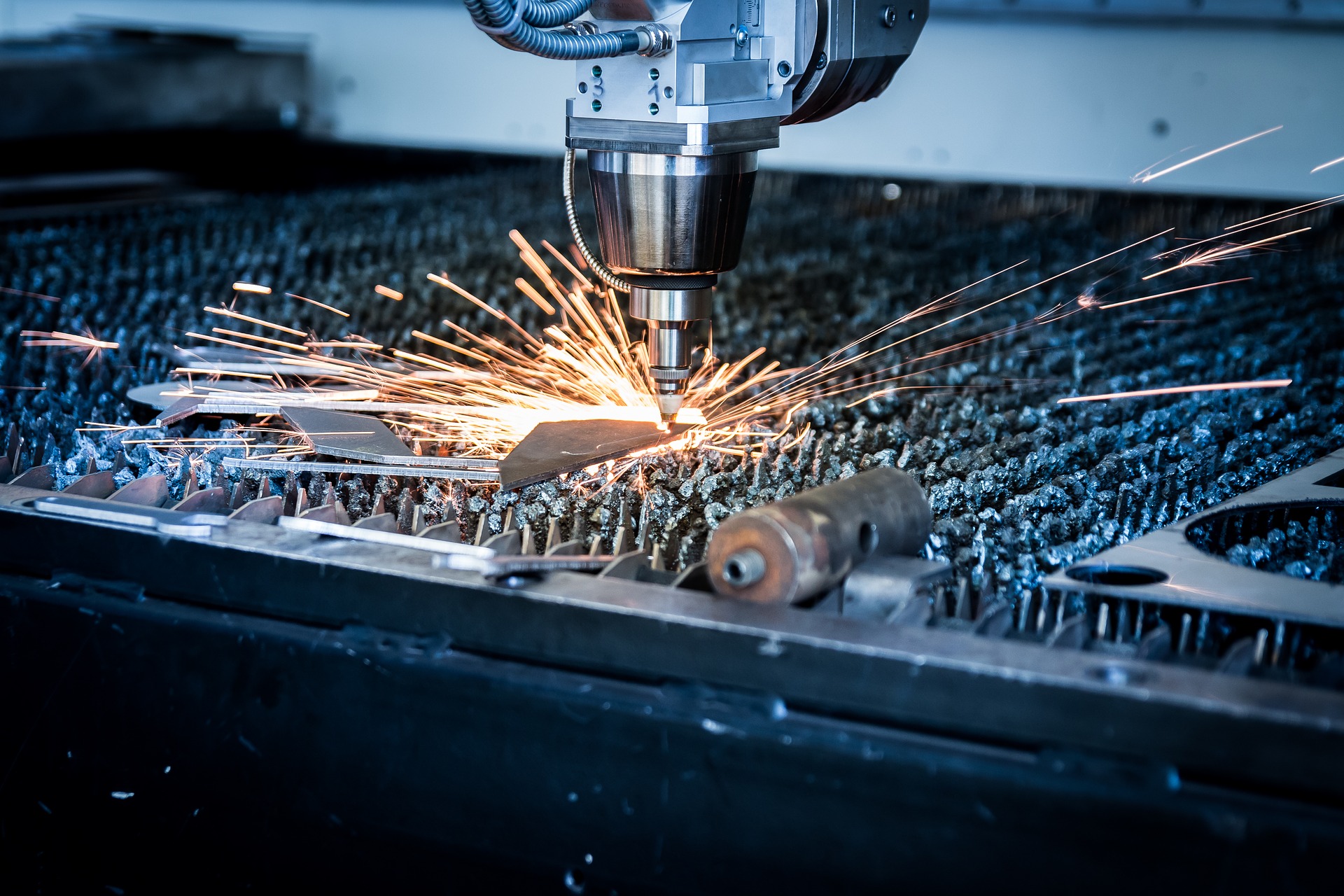

CNC plasma cutters can be game changers—but only if you choose the right one. From small fabrication shops to full-scale robotics engineering companies in Alabama, making a smart investment starts with asking the right questions. This guide breaks down key details you don’t want to overlook before buying your next plasma cutter.
What Gauge Metal Thickness Can This Plasma Cutter Reliably Handle?
One of the first specs worth checking is how thick the metal can be while still producing clean, consistent cuts. A high-quality CNC plasma cutter should handle everything from thin sheet metal to heavier structural steel, depending on its power and nozzle setup. For CNC machining in Alabama, especially in industrial fabrication, cutters capable of slicing through ¾-inch or even 1-inch thick material open the door to bigger projects and stronger builds.
Lighter-duty machines might still be fine for HVAC work or auto shops, but ask whether the system can maintain edge integrity on thicker materials. If your operation involves robotics engineering or custom assemblies, reliable cut depth becomes even more important. Look for specs that match your everyday needs, not just the theoretical maximum thickness.
What Consumables Are Required and How Frequently Will They Need Replacement?
It’s easy to overlook the small stuff, but consumables make or break your cutting efficiency. Items like nozzles, electrodes, and shields need regular swapping, and costs can add up fast if replacements are constant. A good CNC plasma cutter should run with precision while keeping wear and tear on consumables low.
Ask how long each component typically lasts under your usage conditions. Busy Alabama machine shops that run multiple hours a day will cycle through parts faster than occasional users. Finding a cutter designed with affordable, long-life consumables helps stretch your budget and keeps production flowing.
What Ventilation or Fume Extraction Setup Is Recommended for Safe Indoor Use?
CNC plasma cutting kicks up more than sparks—it releases metal dust and fumes that need to be managed. Proper ventilation systems or downdraft tables are key, especially in enclosed workshops. If you’re operating inside a manufacturing facility in Alabama, clean air compliance matters.
Some cutters come with built-in fume extraction units or options to connect external systems. Ask how much airflow is needed per square foot of cutting space. A good robotics engineering company will plan around this in advance, ensuring your team works safely without breathing in contaminants from steel, aluminum, or coated metals.
What Level of Technical Support and Maintenance Is Offered Post‑Installation?
Even the best plasma cutters need tune-ups, updates, and sometimes quick fixes. Post-installation support should be part of your buying decision. Will someone walk your team through setup? Can you reach out for help down the line, or is it hands-off once it’s delivered?
Look into training, software updates, and available repair services. CNC machining operations in Alabama often rely on minimal downtime, so access to fast support makes a real difference. Machines don’t fail often—but when they do, knowing help is just a call away helps avoid missed deadlines.
What Power Requirements and Voltage Compatibility Does the Unit Need?
A powerful plasma cutter draws significant energy, and not all workshops are wired the same way. Voltage requirements vary between 110V single-phase and 480V three-phase systems, and matching that to your facility prevents surprises during installation.
Check if your shop’s panel is ready to handle the cutter’s demand or if an electrician will need to rewire a portion of your workspace. Alabama manufacturers working in robotics or automated CNC machining usually already operate with high-capacity systems—but confirming compatibility early saves both time and expense later on.
What Tolerances and Cut Quality Standards Can Be Maintained with This System?
Precision matters, especially if your business deals in fine-detail work or robotic components. Ask what tolerances the plasma cutter can maintain across long runs and different material types. A machine that claims high accuracy should also hold that consistency over time—not just at setup.
Cut quality isn’t just about edges; it includes kerf width, dross buildup, and repeatability. A CNC plasma cutter built for high-definition cuts can reduce the need for secondary processing. Whether you’re shaping aluminum brackets or custom steel panels, getting a clean first pass speeds up production and raises part quality across the board.
What Emergency Safety Features Protect Against Misfires or Electrical Faults?
With high voltage, compressed air, and extreme heat in the mix, safety can’t be left to chance. Ask what protections are built into the plasma cutter to stop fires, misfires, or overloads. Look for things like automatic shutoff, torch lockouts, and circuit monitoring systems.
Shops working in Alabama with a focus on robotics or high-speed manufacturing can’t afford a meltdown—literally. The right safety tech gives peace of mind and protects both equipment and personnel. It’s not just a matter of regulations; it’s about running a smart, responsible operation.