
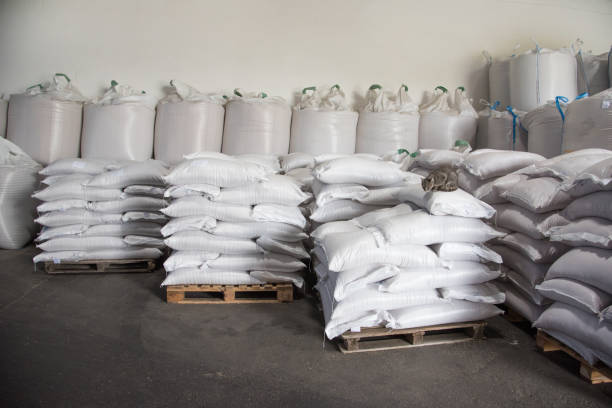

In India’s sugar sector, the Shahabad Sugar Mill is a well-known brand. This mill, which is situated in the Shahabad area, is essential to the production of sugar and other byproducts. It has supported local economies and livelihoods by making a substantial contribution to the region’s industrial and agricultural development over the years. This article examines Shahabad Sugar Mill’s background, activities, output, and effects on the community and the country.
1. Shahabad Sugar Mill’s History
The establishment of Shahabad Sugar Mill aimed to transform the area’s sugar production. It began with the goal of utilizing the potential of the plentiful sugarcane crop cultivated in the area, just like many other sugar mills in India. In order to boost production efficiency and satisfy the rising demand for sugar both domestically and abroad, the mill has modernized its equipment, added cutting-edge technologies, and expanded its activities over time.
2. Sugar Mills’ Significance in India
Shahabad and other sugar mills are vital to India’s economy. India has a huge network of sugar mills spread throughout its agricultural belt, making it one of the biggest producers of sugar in the world. In addition to turning sugarcane into sugar, these mills create jobs, supply raw materials for other sectors (including alcohol and biofuels), and help farmers by giving them a ready market for their produce.
3. Operations and Production Capability
Over the years, Shahabad Sugar Mill’s output capacity has increased significantly. With steady improvements in equipment and technology, it has grown from its initial lower capacity to accommodate a significantly higher volume of sugarcane processing. Depending on the weather and cane supply, the mill processes sugarcane throughout the harvest months, which typically run from November to April.
The goal of the mill’s activities is to extract the best sugar possible from sugarcane. The mill makes sure that all manufacturing procedures follow stringent guidelines to preserve quality, from crushing the cane to refining the raw sugar.
4. Items Made in the Shahabad Sugar Mill
Sugar, which is produced from sugarcane, is Shahabad Sugar Mill’s main product. To satisfy the needs of families, the food industry, and beverage corporations, this sugar is offered for sale in both bulk and packaged goods. Shahabad Sugar Mill also generates ethanol, bagasse, and molasses, among other useful by-products, in addition to sugar.
Molasses: A by-product of the production of alcohol, particularly industrial alcohol and ethanol, molasses has become more well-known as a result of its application in the manufacturing of biofuel.
Bagasse: The fibrous material that remains after the sugarcane’s juice has been extracted is known as bagasse. It is utilized in the manufacturing of paper and board as well as as a biofuel.
Ethanol: Shahabad Sugar Mill generates ethanol, a sustainable energy source that helps India lessen its dependency on fossil fuels, in response to the rising demand for biofuels.
5. Developments in Technology
Modern technology has been adopted by Shahabad Sugar Mill in order to improve production efficiency and streamline operations. Modern equipment for extracting, refining, and packing sugar guarantees that the mill generates high-quality goods with the least amount of waste. Automation has also decreased operating expenses, decreased human error, and increased uniformity.
Adoption of energy-efficient equipment and renewable energy sources, including biogas made from bagasse, has been one of the mill’s major technological advances, helping to lessen the mill’s environmental impact.
6. Assisting the Regional Economy
One important component of the local economy is the Shahabad Sugar Mill. It directly and indirectly creates job possibilities for thousands of individuals. A sizable workforce is needed for seasonal activities at the mill to handle cane cutting, transportation, processing, and packaging. Farmers in the area also benefit economically from the mill’s operations since they depend on it as a convenient market for their sugarcane.
The mill’s operations also support a large number of other enterprises, including transportation firms and suppliers of machinery. The Shahabad Sugar Mill thus serves as a stimulant for regional stability and economic expansion.
7. Sustainability and Environmental Aspects
Sustainability and environmental responsibility are important aspects of Shahabad Sugar Mill’s activities. To lessen its carbon footprint and support environmental preservation, the mill has implemented a number of green initiatives. For instance, using bagasse as a renewable energy source to run the mill lowers greenhouse gas emissions and dependency on outside electricity.
Additionally, the mill has adopted water-saving practices including recycling and water reuse, which are essential in sugar producing operations where water consumption is high. Shahabad Sugar Mill hopes to strike a balance between its financial goals and environmental stewardship through these initiatives.
8. Obstacles the Sugar Industry Faces
Shahabad Sugar Mill has a number of difficulties, just like many other sugar mills in India. The variability in sugarcane production brought on by erratic weather patterns, pests, and illnesses is one of the main obstacles. The quantity and quality of the sugarcane harvest can be significantly impacted by droughts or floods, which can have an effect on the mill’s operations as well as the livelihoods of the farmers who provide the raw material.
The price volatility of sugar presents another difficulty. Government regulations, domestic demand, and international market conditions can all affect sugar prices, making it challenging for mills to efficiently manage their production and pricing plans.
9. Government Assistance and Rules
In order to promote the sugar industry, the Indian government has put in place a number of measures, such as minimum support prices for sugarcane, incentives for the manufacture of ethanol, and subsidies for sugar mills. These programs are intended to maintain the viability of sugar mills and guarantee that farmers receive just compensation for their sugarcane.
But the industry is also highly regulated, with export restrictions, output quotas, and pricing controls set by the government. Similar to other mills, Shahabad Sugar Mill needs to follow these rules in order to stay competitive and meet national requirements.
10. The Future of Shahabad Sugar Mill
Shahabad Sugar Mill has plans to increase its production capacity and investigate new markets, so the future appears bright. Shahabad Sugar Mill is in a good position to boost its ethanol output and help meet the nation’s biofuel demands as the demand for renewable energy sources like ethanol rises globally.
The mill is also looking into methods to improve its environmental sustainability initiatives, like cutting waste and implementing more effective production technologies. Making the business more profitable and sustainable for the benefit of all parties involved is the aim.
11. Social Responsibility and Shahabad Sugar Mill
Shahabad Sugar Mill is dedicated to corporate social responsibility (CSR) in addition to its business operations. The mill backs a range of community projects, including as environmental preservation, educational sponsorships, and healthcare initiatives. The mill’s dedication to social welfare has facilitated the development of solid ties with the neighborhood, guaranteeing growth and prosperity for both parties.
12. The Impact of Shahabad Sugar Mill on India’s Sugar Sector
An important part of India’s sugar industry is Shahabad Sugar Mill. The mill supports the country’s food and energy industries by generating premium sugar, molasses, ethanol, and other by-products. It also sustains millions of local companies, farmers, and workers, making it an essential component of the regional economy.
13. In conclusion
To sum up, Shahabad Sugar Mill is a vital component of the sugar industry in both its local area and India at large. The mill has established itself as a major force in the sugar business thanks to its dedication to sustainability, innovation, and quality. The mill will continue to play a crucial role in India’s economic and agricultural landscape as it expands and adjusts to shifting market conditions.